The Art & Science of Tree Removal: Do’s, Don’ts, and When Heavy Equipment Needs a Rain Check
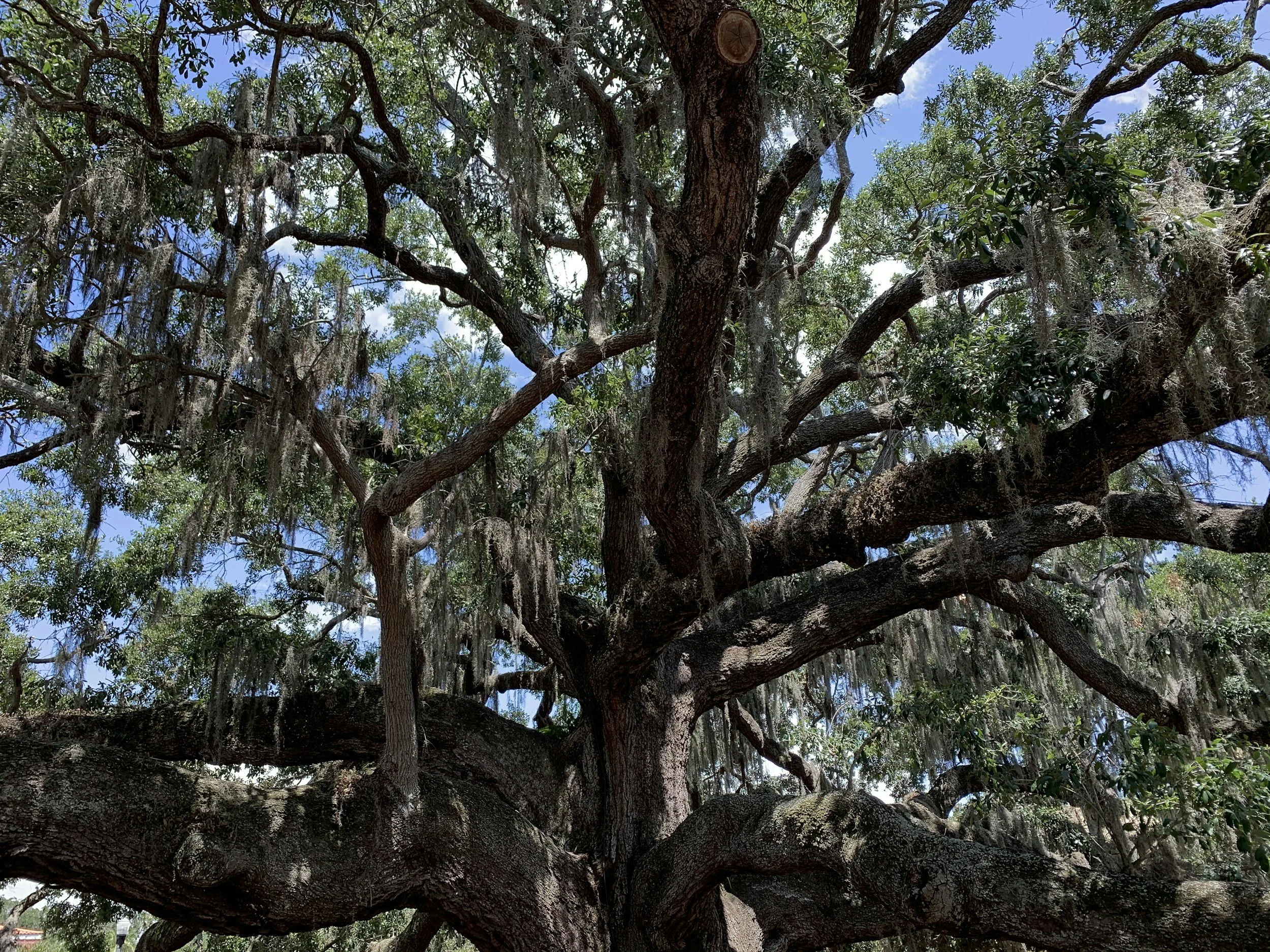
Managing large, mature trees requires specialized skill and equipment. At Neel General Contracting LLC, we assess structural integrity to keep your property safe and beautiful.
When you own a home, your yard is your pride and joy. But when a massive tree becomes dead, damaged, or stands in the way of a gorgeous new home renovation, it has to come down.
At Neel General Contracting LLC, we specialize in both high-end home renovations and expert tree removal. Because we work on both houses and lawns, we look at tree cutting through a unique lens: the art of protecting your entire property.
While DIY pruning is fine for small yard work, major tree cutting is a high-stakes job. To help you keep your family, home, and lawn safe, here is our ultimate guide to the do’s and don'ts of tree cutting—including an important lesson about heavy machinery and wet weather.
The "Do's" of Basic Tree Maintenance
Do wear full PPE: Always wear safety glasses, heavy gloves, hearing protection, and steel-toe boots before starting up a saw.
Do inspect the surroundings: Check the area thoroughly for power lines, fences, and your home’s roofline before making a single cut.
Do map an escape path: Clear a distinct exit route at a 45-degree angle away from the direction the tree is falling.
Do use sharp, clean tools: Dull chainsaw chains kick back, which is the leading cause of severe tree-cutting injuries.
The Dangerous "Don'ts"
Don't ever cut from a ladder: If a heavy branch swings unpredictably, it will knock the ladder out from under you.
Don't touch utility trees: Never attempt to cut any branch within 10 feet of a power line. Leave that exclusively to utility professionals.
Don't cut solo: Always have a second person serving as a spotter to watch for shifting hazards while you operate equipment.
Don't underestimate the weight: A single 10-foot oak limb can easily weigh over 300 pounds. Falling timber carries lethal force.
Why "Professional" Doesn't Just Mean Big Machinery
When a tree is too large for a homeowner to handle safely, calling an expert is the right move. However, hiring a professional comes with its own hidden variables—specifically, heavy equipment.
To remove massive trees safely, pros often have to bring in heavy machinery like cranes, skid steers, or bucket trucks. This machinery is incredibly efficient, but it requires the right environmental conditions to be used safely without compromising your landscape.
The Reality of Heavy Equipment and Soft Ground
A critical factor that homeowners must consider is the state of the ground before the crew arrives. For example, during a recent project shortly after a tropical storm dumped heavy rainfall in our area, the ground was exceptionally soft and saturated.
Because the tree removal was a priority, the heavy machinery had to be brought in onto the soaked lawn. The unavoidable side effect of operating multi-ton equipment on water-logged soil is that it will leave deep, muddy ruts in the grass.
While the tree hazard was successfully and safely eliminated, the lawn received some heavy ruts. This is a common and often unavoidable reality of post-storm emergency tree removal.
If your tree removal isn't an immediate emergency, it is always best to wait a few days for the sunshine to dry out the ground. Taking a patient approach allows our machinery to roll in safely without tearing up your turf.
Let’s Build (and Clear) Something Beautiful Together
Trees and renovations go hand in hand. Whether you need a hazardous tree cleared out of the way to make room for a beautiful new deck, or a storm-damaged branch removed before it crashes through your roof, we have you covered. We promise to bring the right tools, the right expertise, and the transparent communication you deserve to keep your entire property protected.
