From 1776 to 2026: Home Repair and Clever DIY Fixes from Early America

Honoring the early American builders who laid the foundation for our country 250 years ago.
Tomorrow, the United States celebrates its 250th birthday! As modern homeowners, we often rely on smart thermostats, power tools, and quick trips to the local hardware store to keep our houses running. But have you ever wondered how early Americans managed home maintenance without electricity or big-box stores?
At Neel General Contracting LLC, we have a deep appreciation for the history of our trade. Long before the invention of drywall, fiberglass insulation, or HVAC systems, colonial builders relied on brilliant, low-tech engineering to keep their homes sturdy and comfortable.
To honor America’s 250th, let’s travel back to the late 18th century and explore some fascinating, old-fashioned home "hacks" and tools that shaped early American living.
The Original Cooling System: Limewash Whitewashing
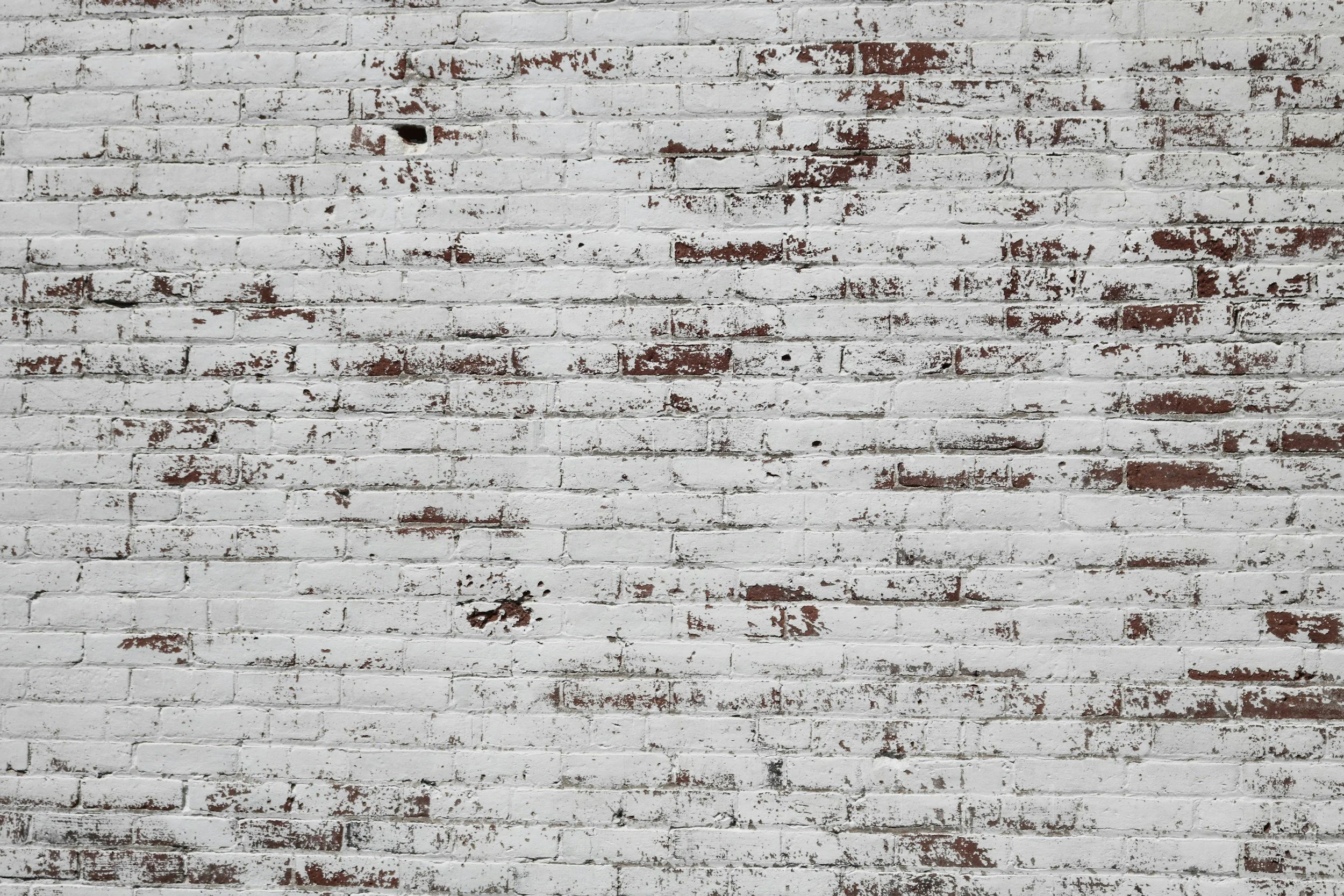
Historically accurate and highly functional—limewash naturally reflects solar heat and prevents mold growth.
You hit the nail on the head! One of the most common summer rituals in early America was applying limewash (a simple mixture of slaked lime, water, and salt) to both the interior and exterior walls of a home.
How it worked: The bright white lime finish maximized the reflection of solar heat, keeping buildings significantly cooler during brutal summer months.
The structural bonus: Limewash is naturally breathable, which allowed moisture to escape rather than getting trapped in the stone or timber. Even better, lime is highly alkaline, making it a natural antiseptic that deterred bugs, mold, and mildew.
No Screws? No Problem: Mortise and Tenon Joinery
If you look inside a preserved 1776-era home, you won't find a single drywall screw or metal bracket. Standard iron nails were handmade by blacksmiths, making them incredibly expensive and scarce. Instead, colonial carpenters relied on timber-frame joinery.
How it worked: Builders used an auger (a t-handled hand drill) to bore holes into massive oak or pine beams. They then cut interlocking mortise and tenon joints and locked the entire frame of the house together using handmade wooden pegs called treenails (pronounced "trunnels").
The structural bonus: These joints actually allowed the wood to naturally expand and contract with the seasons, which is why so many of these 250-year-old structures are still standing strong today!
Natural Weatherstripping: Mud, Straw and Oakum
Before the invention of silicone caulk and foam insulation, early Americans had to get creative to stop drafty winter winds and keep out summer pests.
How it worked: Log cabins and early frame homes were sealed using a process called chinking. Gaps between timbers were tightly packed with a mixture of clay, mud, straw, and animal hair. For finer homes or window drafts, workers used oakum—old hemp ropes unraveled and treated with pine tar—stuffed into the cracks with a caulking iron.
Tools of the Trade - 1776 Edition
Before power tools, a carpenter’s muscle power was amplified by incredibly specialized hand tools:
The Broadaxe & Adze: Used to manually flatten and square a round log right where it was felled in the forest. The adze leaves a beautiful, distinctly scalloped texture on exposed ceiling beams.
The Try Plane: The 18th-century equivalent of a power jointer. These massive, wooden hand planes (often over two feet long) were used to manually flatten wide tabletops and floorboards with incredible precision.
The Shaving Horse: A foot-operated workbench vise. A carpenter would sit on it, clamp a piece of wood with a foot pedal, and use a two-handed drawknife to quickly shape things like shingles, chair legs, or tool handles.

Wishing you and your family a spectacular and safe 250th Independence Day!
🎆 Happy 250th Birthday, America!
The next time you pull out a cordless drill or adjust your digital thermostat, take a second to appreciate the sheer grit and clever DIY spirit of early American craftsmanship. Those historic builders proved that with the right knowledge and local materials, you can engineer a home built to last centuries.
From all of us at Neel General Contracting LLC, have a safe and wonderful 4th of July weekend!
