When it Rains, it Pours (Bugs!)
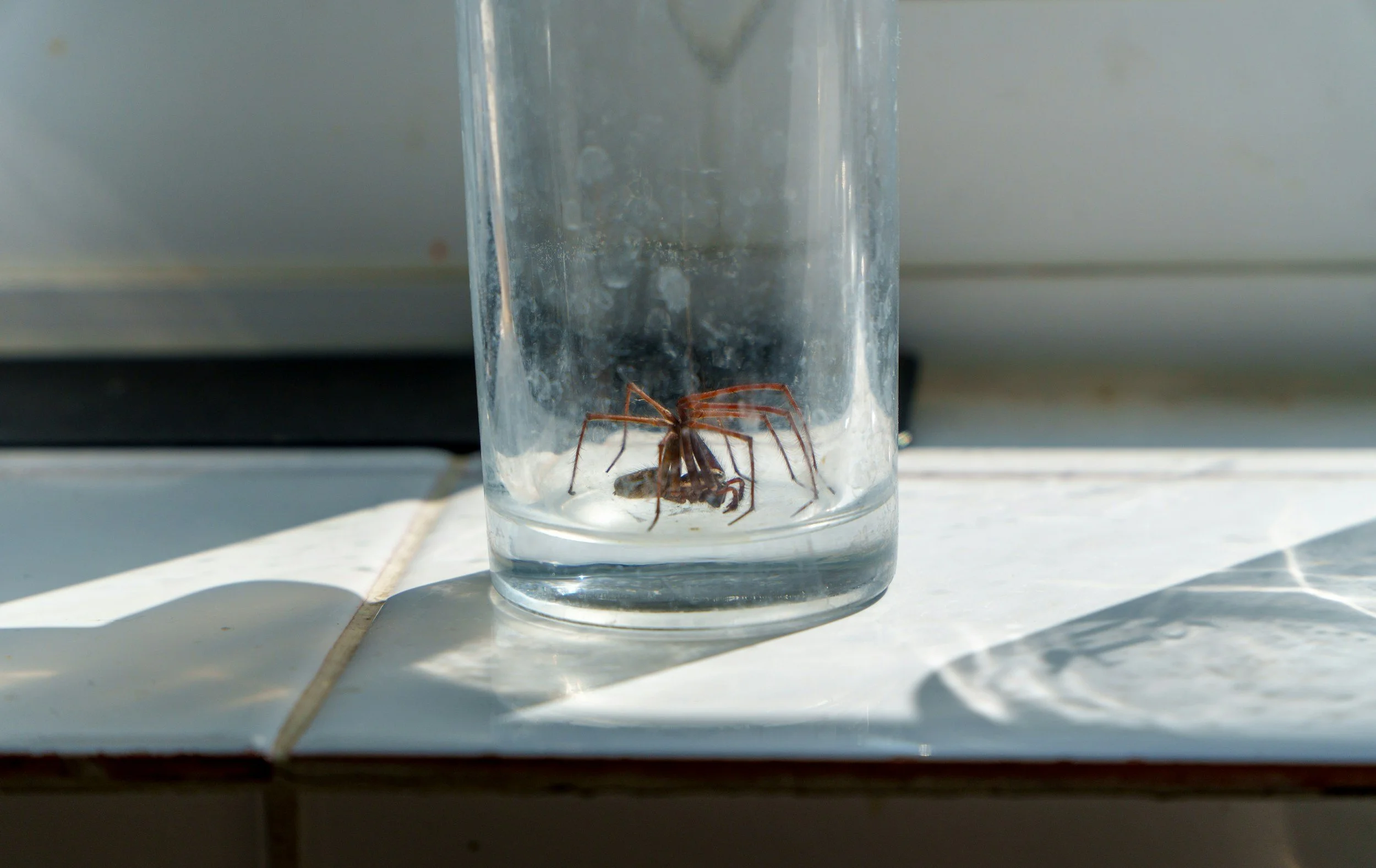
The wrong kind of rainy-day visitor. Sealing your home's exterior locks the door on pests permanently.
We have all been there. After a few days of heavy, nonstop rain, you suddenly notice an unwelcome army of ants marching across your kitchen counter, or a spider darting across the living room floor.
It is not a coincidence. Frequent rain is one of the biggest drivers of sudden indoor pest infestations.
When the ground gets saturated, outdoor pests lose their homes and food supplies. To survive, they seek higher, drier ground—which often leads them straight through the tiny, unnoticed gaps in your house.
While bug sprays offer a temporary band-aid, the only permanent solution is structural. In the construction and pest control industries, this is called pest exclusion—fixing the physical entry points and moisture problems around your home.
Here are four common home vulnerabilities, how to fix them, and the exact science behind why these repairs work.
1. Seal Foundation Cracks and Siding Gaps
As a house settles, tiny hairline cracks can form in the concrete foundation, around basement windows, or where your siding meets the ground.
The Handyman Fix: Inspecting the perimeter of your home and sealing those gaps with heavy-duty masonry sealant or high-grade outdoor silicone caulk.
2. Replace Worn-Out Door Sweeps and Window Seals
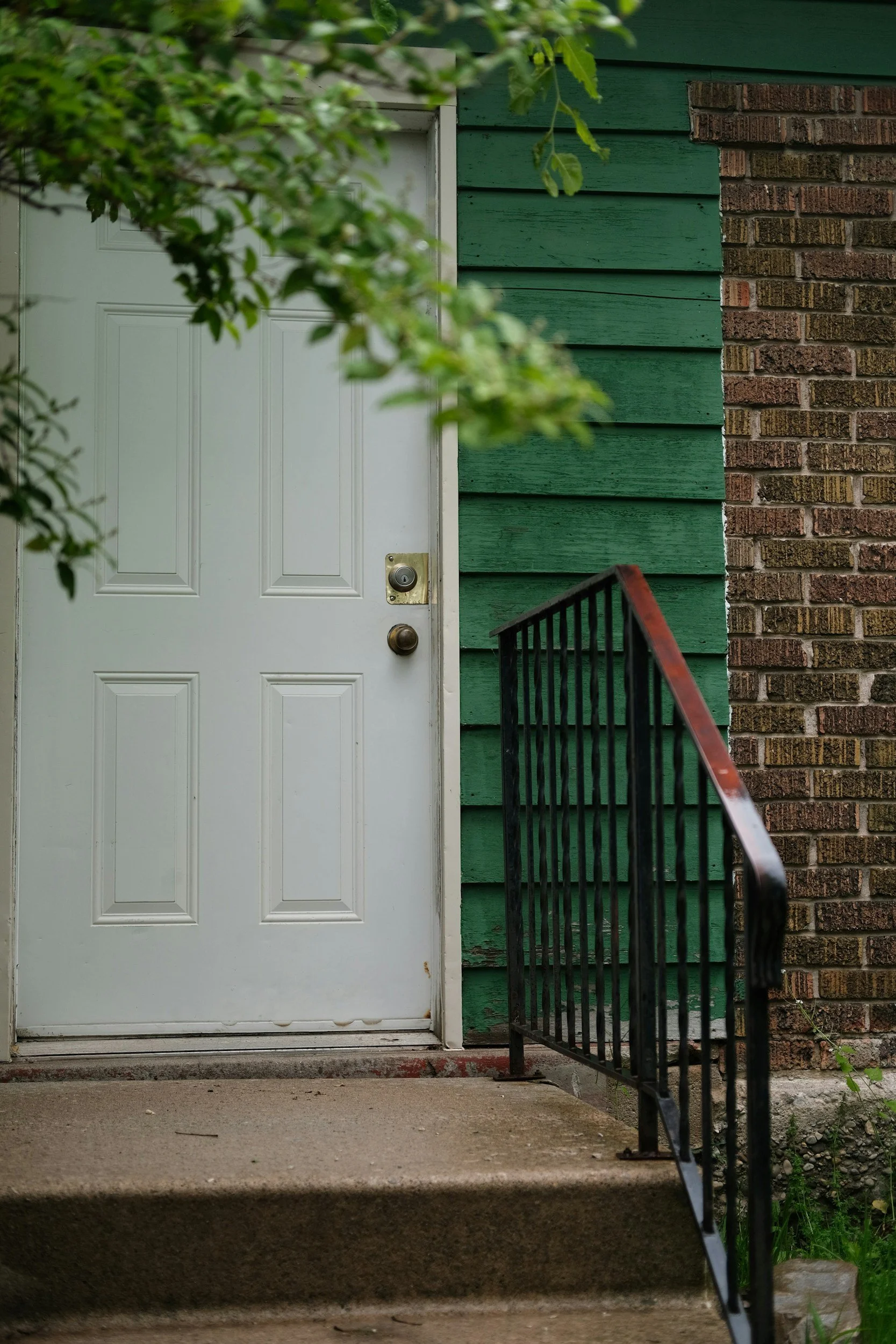
Check your door sweeps! Upgrading worn weatherstripping keeps the water and the critters outside.
Take a close look at your exterior doors. Can you see daylight peeking through the bottom or sides? If light can get in, bugs can too. Weatherstripping and door sweeps degrade over time, leaving your home completely exposed.
The Handyman Fix: Installing fresh, tight-fitting door sweeps and replacing brittle weatherstripping around windows and doors.
3. Clean and Repair Gutters
When gutters are clogged with leaves, rainwater overflows and pools right next to your foundation. This waterlogs the soil, forcing thousands of burrowing pests out of the dirt and directly up your walls.
The Handyman Fix: Getting up on the ladder to thoroughly clean out the gutters, repairing any sagging sections, and ensuring your downspouts clear water away from the house.
4. Patch Holes Around Pipes and Wires
Think about where your outdoor AC lines, plumbing pipes, and electrical cables enter your home. The holes drilled for these utilities are often larger than the pipes themselves, leaving a direct tunnel into your walls.
The Handyman Fix: Filling these gaps with a combination of steel mesh and expanding polyurethane foam.
The Science of Exclusion: Why These Fixes Actually Work

We did the homework so you don't have to. Here is why basic handyman repairs outperform the exterminator.
If you are wondering whether a little caulk and gutter cleaning can really stop a pest problem, the answer is an absolute yes. Here is the structural science behind why these specific handyman fixes are so effective:
Eliminating the "1/16th-Inch Rule": Entomologists note that pests like ants and small spiders only need a gap of 1/16th of an inch to enter a home. Cockroaches can flatten their bodies to squeeze through a gap the thickness of a dime. Sealing cracks with flexible outdoor silicone doesn't just block them; it creates a physical barrier that moves with your home's natural expansion and contraction, keeping the door locked permanently.
Removing the Ground-Level Welcome Mat: Fleeing pests travel along the ground. Your exterior doors sit directly in their path of travel. A worn-out door sweep is essentially an open invitation. Installing a heavy-duty nylon or rubber door sweep completely seals that horizontal gap, forcing pests to stay outside in the elements.
Breaking the Hydro-Attraction Loop: Moisture-loving pests like earwigs, silverfish, and millipedes are biologically driven to find high-humidity environments. When gutters overflow, they create a hyper-saturated "moat" around your foundation. By cleaning your gutters and redirecting water away from the house, the soil dries out. Without that constant pool of water, the area becomes unlivable for pests, and they disperse elsewhere.
The "Mesh and Foam" Barrier: Utility penetrations are notoriously weak spots. Bugs can easily chew through standard household foam or insulation. However, when a handyman packs the hole with copper or stainless steel mesh before foaming, it creates an impenetrable shield. If a pest tries to gnaw through, the sharp metal mesh cuts their mouthparts, instantly stopping them from widening the hole.
Let Neel General Contracting LLC Handle the Dirty Work!
You don't have to spend your weekend climbing ladders, crawling in the dirt, or hunting down drafts.
At Neel General Contracting LLC, we handle all of these essential home improvements, repairs, and handyman tasks for you. We will inspect your home's exterior, seal up the hidden structural entry points, and make sure your water drainage system is working perfectly.
We don't just mask the problem with chemicals—we fix the structural flaws so you can stay comfortable and bug-free through every rainy season.
Don’t wait for the next heavy downpour. Call Neel General Contracting LLC today to knock out your home repair to-do list!
