The Ultimate DIY Cheat Sheet: Choosing the Right Wood, Fasteners, and Paint
Starting a home improvement project is exciting, but walking down the aisles of a home improvement store can feel overwhelming. With hundreds of options, how do you know what to buy?
Using the wrong materials can cause your wood to rot, your paint to peel, or your project to fall apart. Here is your ultimate cheat sheet to choosing the right wood, fasteners, and paint for any home project.
Part 1: Choosing Your Wood (The Foundation)
Before you pick up a tool, you need the right wood. Wood is divided into three main categories for home projects:
Plywood & MDF: These are manufactured boards. Plywood is great for building cabinets and subfloors because it is strong and flat. MDF is smooth and budget-friendly, making it perfect for indoor shelving, but it will ruin if it gets wet.
Framing Lumber: This includes standard 2x4s and 2x6s made from softwoods like pine. Use this for building the hidden skeletons of walls, workbenches, or garden sheds.
Pressure-Treated Lumber: This wood is chemically treated to resist rot, bugs, and moisture. Always use treated lumber for anything outdoors that touches dirt or gets rained on, like decks, fences, and mailbox posts.
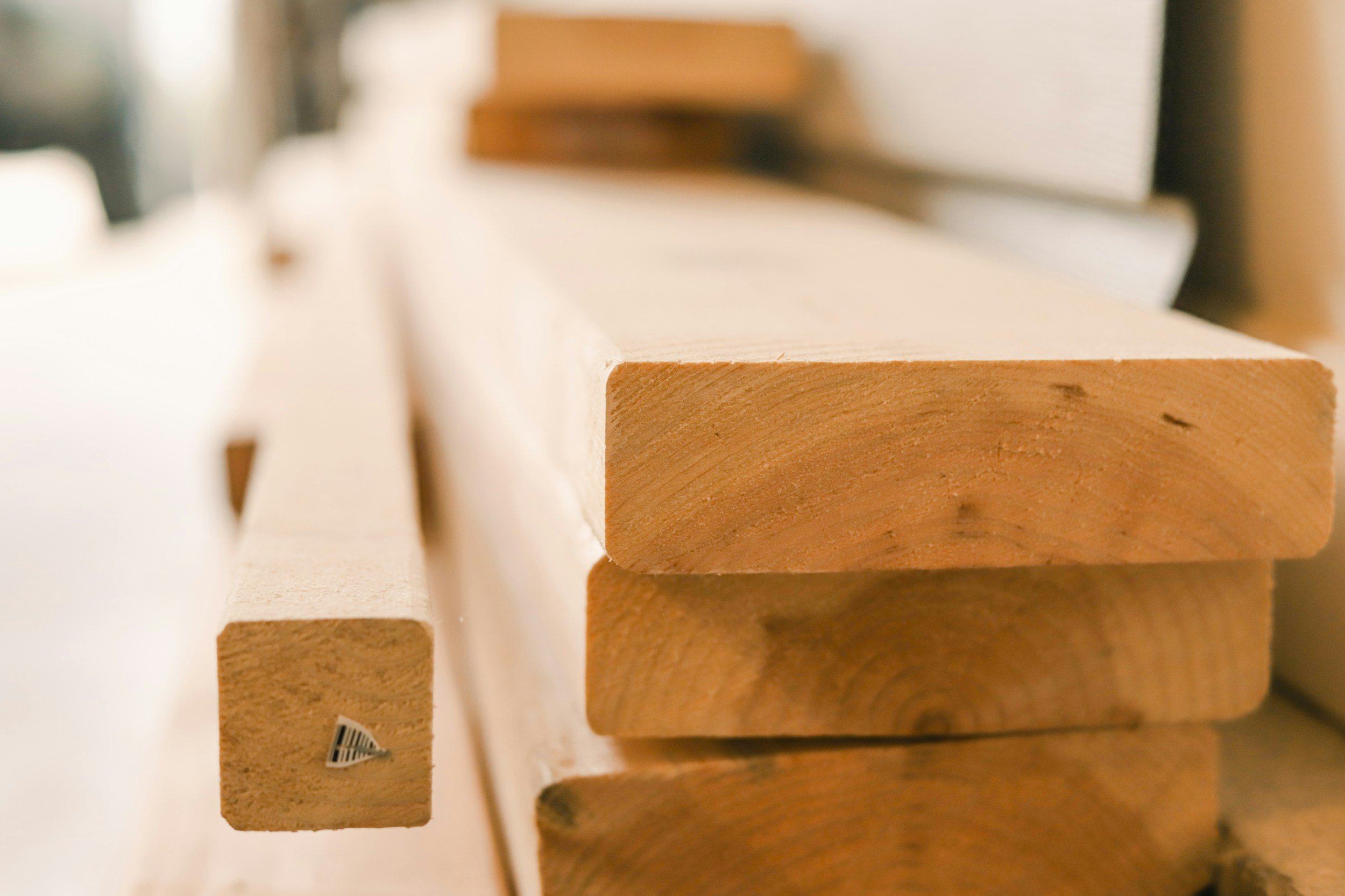
The foundation of every great build: picking the right wood for the job.
Part 2: Nails vs. Screws (Holding It Together)
Once you have your wood, you have to connect it. Choosing the right fastener depends on the type of weight the joint will hold.
When to use Nails: Nails are flexible and can bend under pressure without snapping. They are best for framing walls, installing indoor trim, putting up baseboards, and attaching exterior siding.
When to use Screws: Screws have incredible holding power because their threads grip the wood tightly. Use screws for building decks, hanging cabinets, installing drywall, and making furniture. They stop boards from pulling apart or popping up over time.
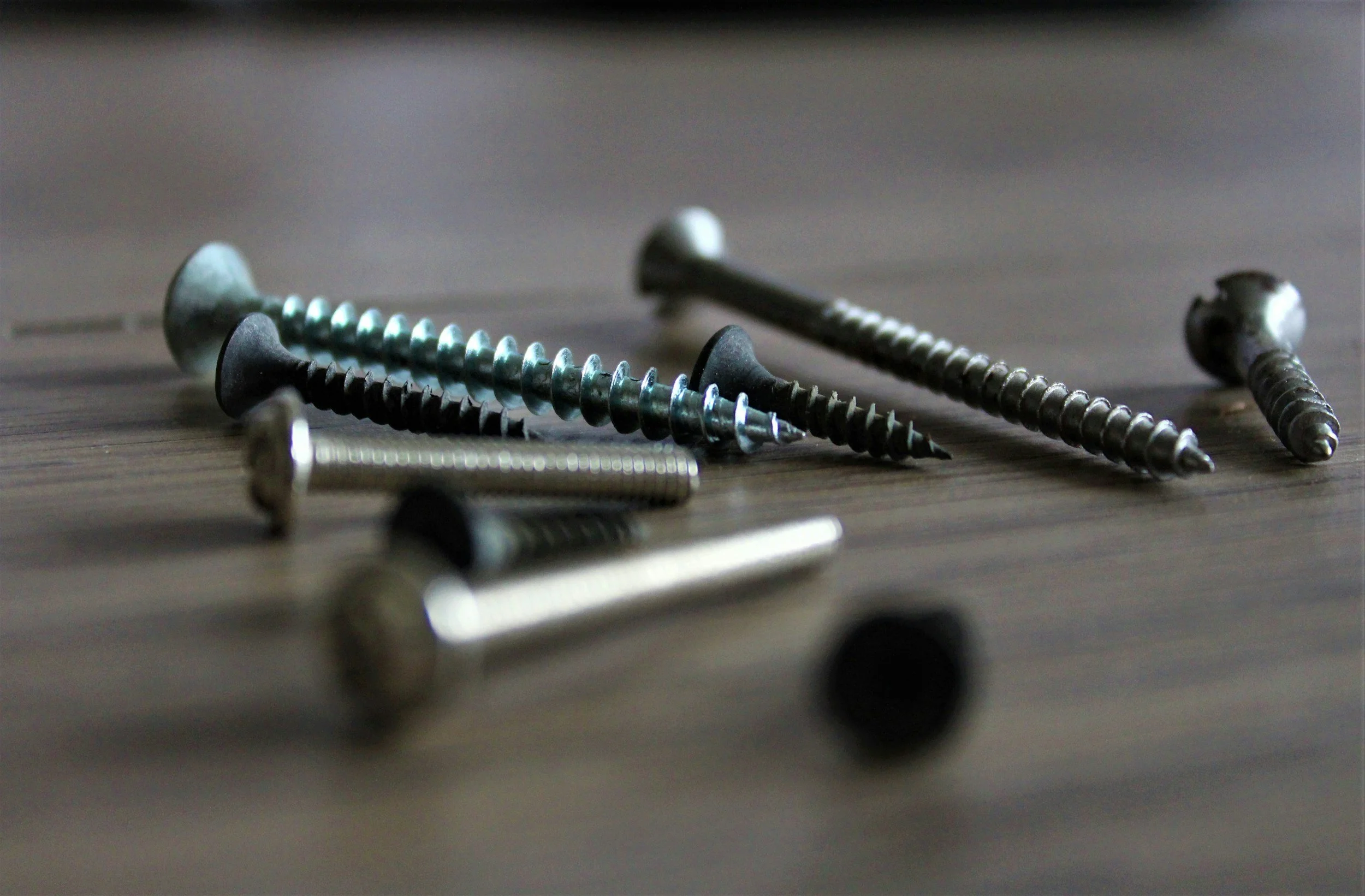
Holding it together: Always choose screws for maximum holding power on decks, and use nails for flexible strength on framing and trim.
Part 3: Selecting Your Paint (The Finish)
The final step is making your project look great and protecting it from damage.
The Base: Oil vs. Latex
Latex (Water-Based): Dries fast, has low odor, and cleans up with water. This is your go-to paint for interior walls and ceilings.
Oil-Based: Takes longer to dry but cures into a rock-hard shield. Use this for front doors, trim, cabinets, and stairs because it resists heavy scratches.
The Sheen: Matte to Shiny
Flat/Matte: No shine. Hides bumps perfectly. Best for ceilings.
Eggshell/Satin: A soft, low-gloss finish that is easy to wipe down. Best for living rooms, bedrooms, and hallways.
Semi-Gloss: Shiny and highly water-resistant. Best for kitchens, bathrooms, trim, and baseboards where moisture and spills happen daily.
The Golden Rule of DIY
Always match your materials to the environment. If your project is outdoors, use pressure-treated wood, weather-resistant deck screws, and exterior-grade paint. If it is indoors, standard pine, regular screws or nails, and latex paint will do a beautiful job.
Save Time and Skip the Stress!
DIY projects can be a great weekend hobby, but large remodels, deck construction, and full-house painting require specialized tools and years of experience.
If you want the job done fast, safely, and perfectly the first time, Neel General Contracting LLC is here to help. We serve Terry, Byram, and the surrounding areas with top-tier handyman, remodeling, and landscaping services. Contact us through our website today for a free estimate!
