The 5-Minute Attic Audit: How to Spot Roof Weaknesses Before a Storm Hits.
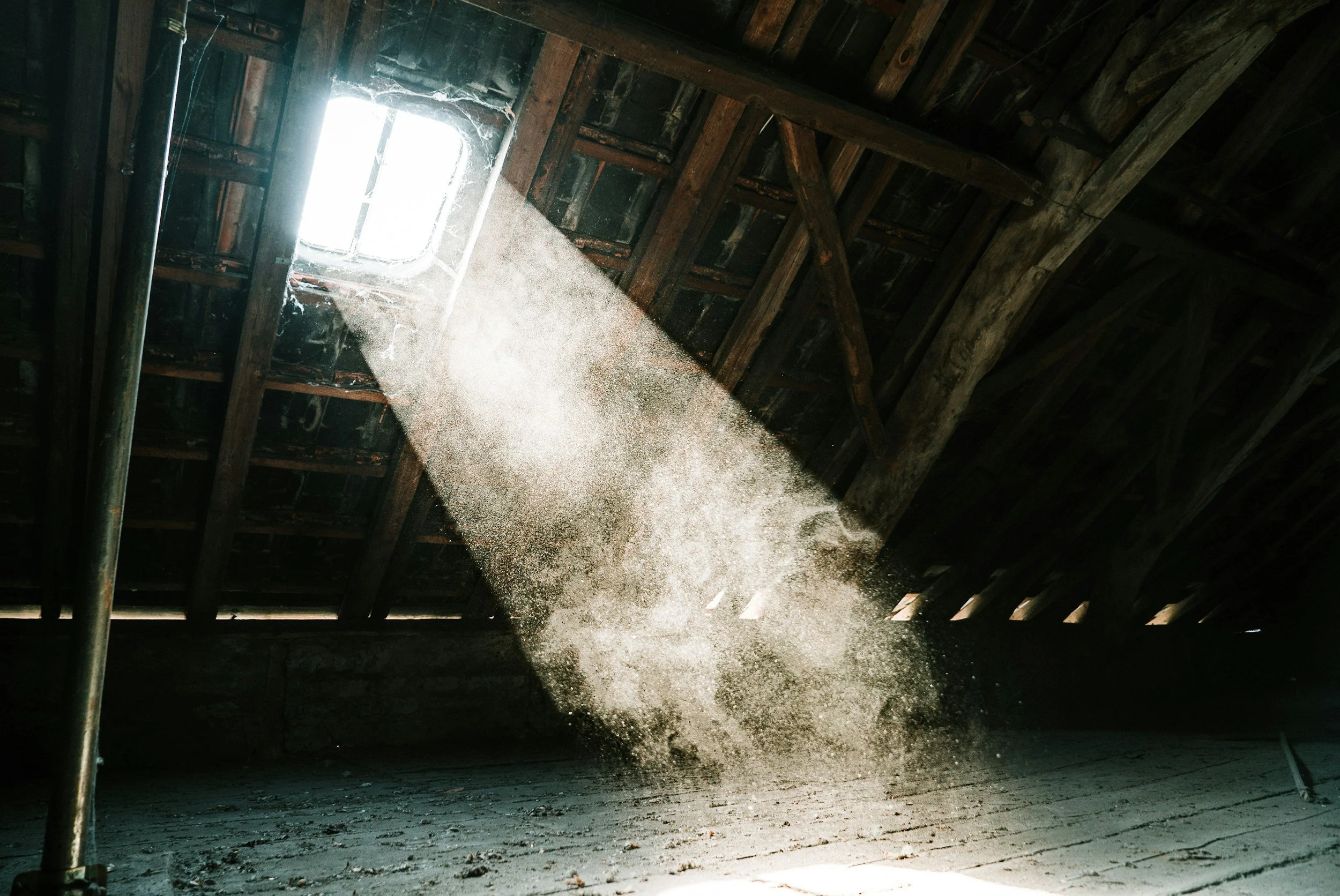
Look up: Rafters and roof decking are the best places to spot early water stains.
The sky is clear, the weather is hot, and your roof looks perfectly fine from the driveway. But if you want to know how your home will actually handle a severe tropical storm or hurricane, you need to look at it from the inside out.
Many homeowners don't realize that roof failure is the single most common cause of major structural damage during a hurricane. According to historical data from the National Oceanic and Atmospheric Administration (NOAA), tropical storms and hurricanes have caused over $1.5 trillion in U.S. damages since 1980. We recently witnessed the staggering financial and emotional toll of this firsthand, with massive back-to-back storms like Hurricane Helene ($78.7 billion in damages) and Hurricane Milton ($34.3 billion) completely upending communities.
As general contractors, we see the aftermath every year. The vast majority of catastrophic roof failures don’t start on the outside with a falling tree—they start as tiny, hidden vulnerabilities in the attic that give violent wind gusts a foothold.
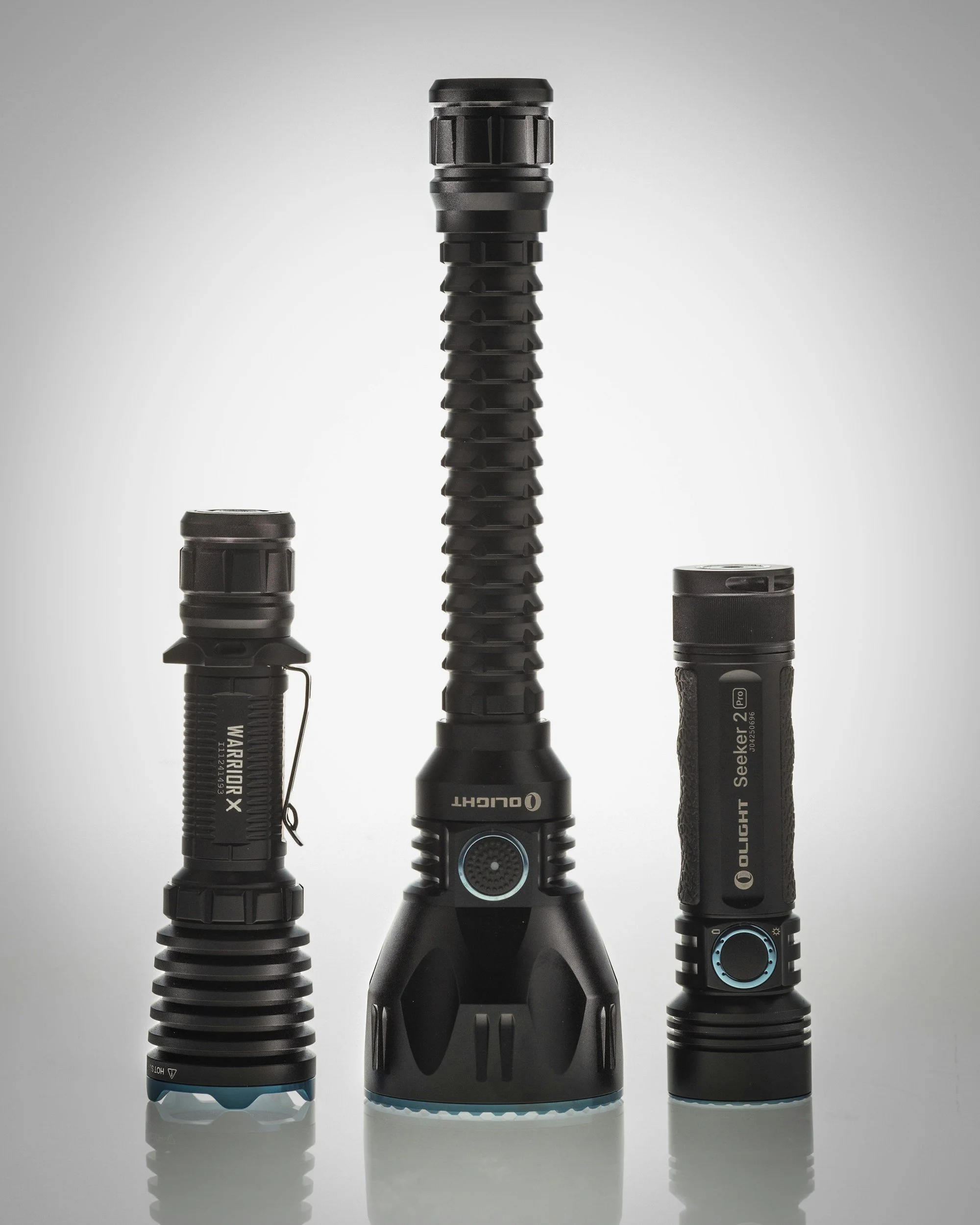
Shining a light on hidden problems—heading up to check the roof decking.
Instead of waiting for a storm to test your home, take exactly five minutes this weekend to perform an Attic Audit. Grab a flashlight, head up the stairs, and look for these four high-stakes red flags.
1. The Sunlight Test (Time: 1 Minute)
Turn off your flashlight and let your eyes adjust to the complete darkness. Look up at the roof decking sheets and along the ridge lines.
The Red Flag: Any pinpoints or slivers of daylight peeking through.
The Storm Risk: If light can get out, hurricane-force winds can force water in. During heavy storms, rain isn't just falling down; it's being driven sideways and upward at 74+ mph. A tiny pinhole under normal conditions becomes an open faucet during a tropical storm.
2. The "Ghost Leak" Search (Time: 2 Minutes)
Turn your flashlight back on and carefully scan the plywood roof sheets, focusing on areas around chimneys, vents, roof valleys, and drywall seams.
The Red Flag: Dark water stains, white powdery mineral tracks, or wood that looks swollen, rotted, or soft.
The Storm Risk: Plywood decking that is already softened by a slow, minor leak completely loses its strength. When a hurricane passes over a house, it creates a massive pressure drop—literally acting like a giant vacuum pulling upward on your roof. Weakened, rotted wood is the very first spot to fail, crack, and rip away under that intense uplift pressure.
3. The Connector Check (Time: 1 Minute)
Follow the slope of the roof down to the edges where the roof structure meets the top of your home's exterior walls.
The Red Flag: Rusted, loose, or entirely missing metal hurricane straps or clips.
The Storm Risk: Modern building codes require these specialized metal ties to mechanically anchor your roof frame to the walls of your house. If your home was built a few decades ago, it may rely entirely on old-school "toe-nailed" framing (just a few nails driven in at an angle). Without secure structural connectors, the high-velocity winds can lift an entire roof structure right off the framing.
4. The Vent and Baffle Inspection (Time: 1 Minute)
Check your soffit vents (the vents near the floor at the attic edges) and your ridge or gable vents.
The Red Flag: Insulation that has shifted and blocked the vents, or vent housings that rattle and shake when you touch them.
The Storm Risk: Loose ridge or gable vents can be completely ripped off by extreme winds. This leaves a large, open hole at the highest point of your house, allowing torrential rain to pour directly onto your ceilings.
These clouds are coming—is your roof ready to handle the pressure?
Be Prepared, Don't Patch Later
Historical data tells us that an active storm season is a matter of when, not if. Catching a rusted flashing, a soft spot of plywood decking, or a loose vent right now means a straightforward, controlled, and affordable repair.
Waiting until a major storm forces its way into your home means dealing with emergency tarps, ruined drywall, mold remediation, and competing with thousands of other homeowners in a chaotic insurance claims pool.
Even though it is brutally hot outside, please take five minutes to protect your home and your family this week.
